Manual Screen Changer for Plastic Film Blowing
The manual screen changer for plastic film blowing is a commonly used melt filtration device in small-scale film blowing production lines, particularly for processing low-end recycled materials and general-purpose PE/PP compounds. It enables manual screen replacement and features a simple structure, low cost, and easy maintenance. This equipment is suitable for film blowing processes with modest output requirements and less stringent demands on production continuity.
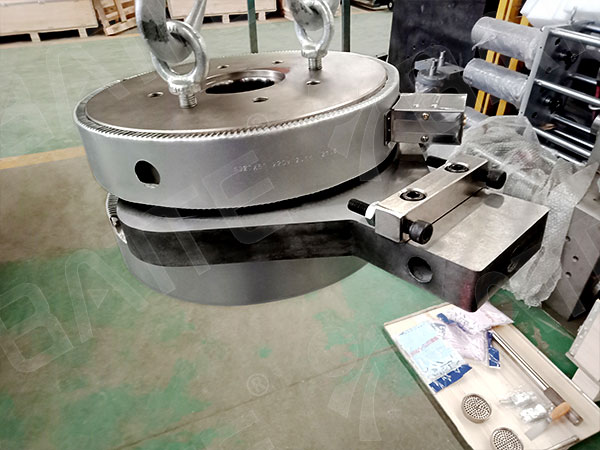
I. Core Structure
Compared to hydraulic screen changers, the manual screen changer features a more streamlined design, primarily comprising the following components:
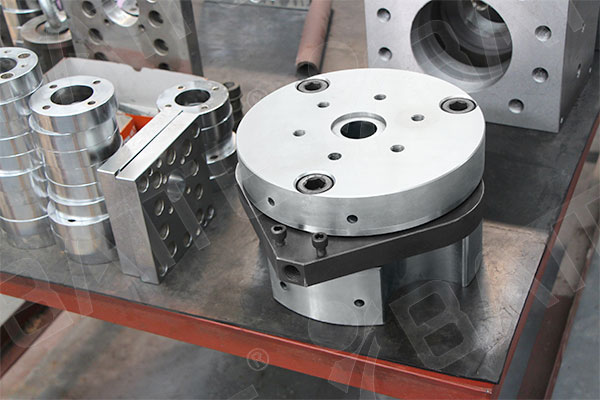
Filter Chamber: The main body is an integrated cast steel chamber with an internal filter screen mounting slot. Its flow channel design accommodates the melt flow characteristics of film extrusion machines (low shear, anti-retention) to prevent melt degradation.
Filter Assembly: Employs a “perforated plate + filter mesh” combination. The perforated plate provides structural support (typically 3-5mm aperture), while the filter mesh's mesh count is selected based on material purity (80-120 mesh for recycled material, 150-200 mesh for virgin material). Multiple filter layers can be stacked to enhance filtration precision.
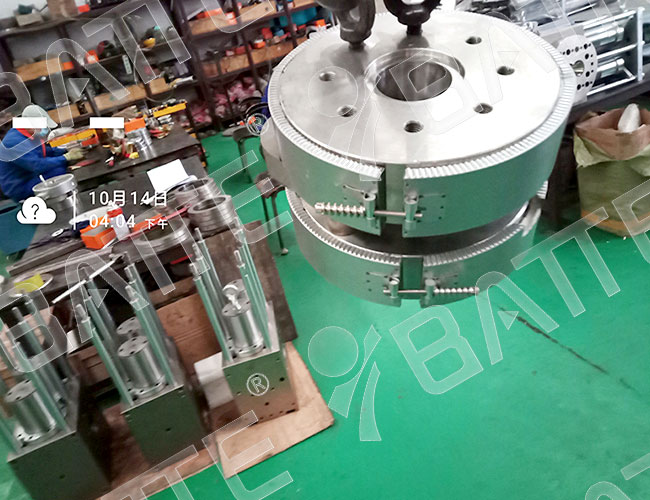
Clamping/Locking Mechanism: Core manual screw locking device, with some models featuring clamping blocks or flange structures. Rotating the screw compresses the filter plate to ensure tight seal surface contact and prevent melt leakage.
Heating & Insulation System: The chamber exterior is wrapped with electric heating coils/heating tiles, paired with insulation wool. Operating temperatures range from 150-280°C (suitable for common blown film materials like PE, PP, LDPE), preventing melt solidification inside the chamber.
Discharge Port / Drain Channel: Some models feature a discharge port beneath the chamber. This allows residual melt to be drained during filter screen replacement, minimizing material waste.
II. Working Principle
Filtering Stage: Molten plastic from the extruder enters the screen changer chamber. Impurities (e.g., paper scraps, metal shavings, cross-linked material blocks in plastic pellets) are intercepted as the melt passes through the screen. Purified melt flows through the runner into the film extrusion die for film blowing.
Screen Change Stage: When impurities accumulate on the screen surface, causing increased pressure in the extruder head (typically reaching a preset value of 2-5 MPa) or resulting in crystal spots or impurity defects in the film, the machine stops (or reduce extruder speed) → Close the melt valve at the front of the screen changer (if equipped) → Loosen the manual locking screw → Remove the dirty screen assembly → Replace with a new perforated plate + screen → Re-tighten the screw → Open the melt valve → Resume extruder speed to complete the screen change.
III. Typical Application Scenarios
Blown film production lines for small PE/PP carrier bags and garbage bags;
Blown film processing of recycled plastic pellets (handling reused materials with high impurity content);
Blown film processes in laboratories or for small-batch trial production.
Email: sale@meltpump.com
WhatsApp: +86 158 3833 1071