Differences Between Plate-Type and Column-Type Screen Changers
Plate-type screen changers have become the preferred choice for general-purpose plastic processing due to their simple structure and high cost-effectiveness. Column-type screen changers, however, dominate high-end production scenarios with their exceptional pressure resistance and precision sealing capabilities. Selecting the right equipment type is essential for achieving both production line efficiency and quality excellence.
In polymer processing lines such as plastic extrusion and pelletizing, screen changers serve as core equipment for filtering melt impurities and ensuring product quality. Currently, mainstream screen changers are primarily categorized into plate-type and column-type variants, exhibiting significant differences in structure, performance, and application scenarios. Understanding these distinctions is crucial for precise selection.
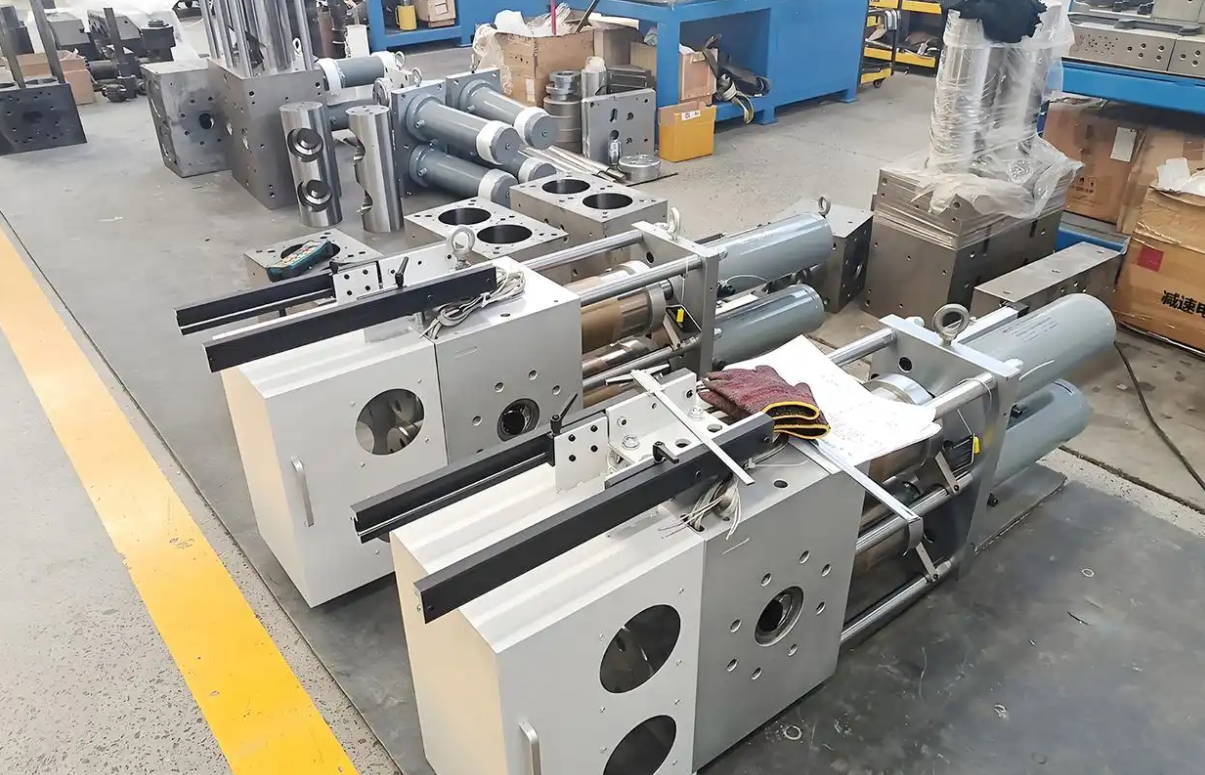
I. Structural and Core Performance Differences
From fundamental design to practical performance, plate-type and cylinder-type screen changers each emphasize distinct characteristics:
Structural Design: Plate-type screen changers employ a sliding plate mechanism with relatively simple overall design, lowering maintenance barriers. Cylinder-type screen changers rely on cylindrical piston movement for screen changes, featuring more complex and precise structures that demand higher machining and assembly accuracy.
Pressure Rating: Plate changers accommodate medium-to-high pressure conditions, meeting most standard production requirements. Cylinder changers offer superior pressure resistance, handling ultra-high pressure and more demanding process conditions.
Sealing Performance: Plate-type changers utilize flexible seals, achieving excellent sealing integrity. Cylinder-type changers predominantly employ rigid seals, delivering exceptional sealing performance and higher long-term operational reliability.
Cost Dimension: Plate-type changers offer superior cost-effectiveness with a high price-to-performance ratio. Cylinder-type changers, due to their structural and performance advantages, carry relatively higher equipment procurement costs.
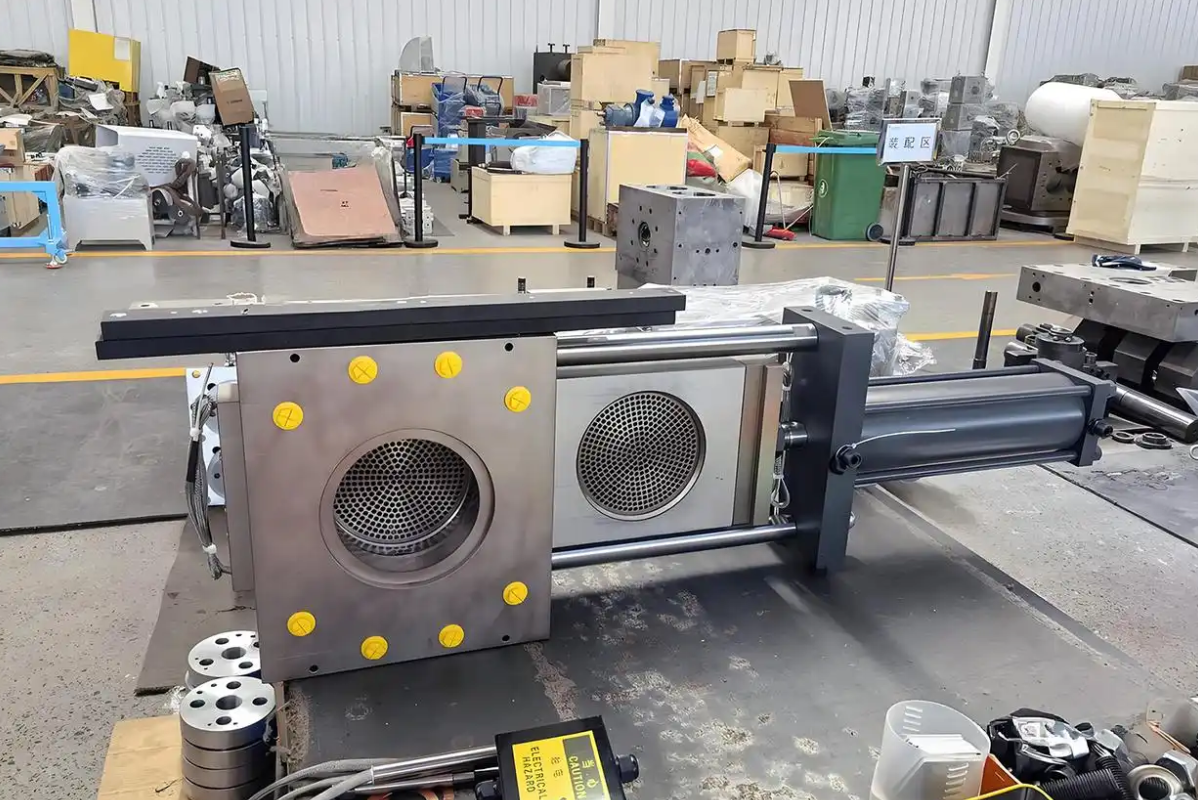
II. Precise Application Scenario Matching
The performance differences between the two filter changers determine their suitability for distinct production needs:
Plate-type filter changers: Ideal for general-purpose plastic extrusion, pelletizing, sheet production, and other routine manufacturing scenarios. Particularly well-suited for small-to-medium production lines, they meet fundamental process requirements while controlling costs.
Column Screen Changers: Focus on high-end or specialized production scenarios, such as polymerization lines, engineering plastic processing, high-precision film manufacturing, and ultra-high viscosity material handling. Their stable continuity and process adaptability support long-term operation in demanding production environments.
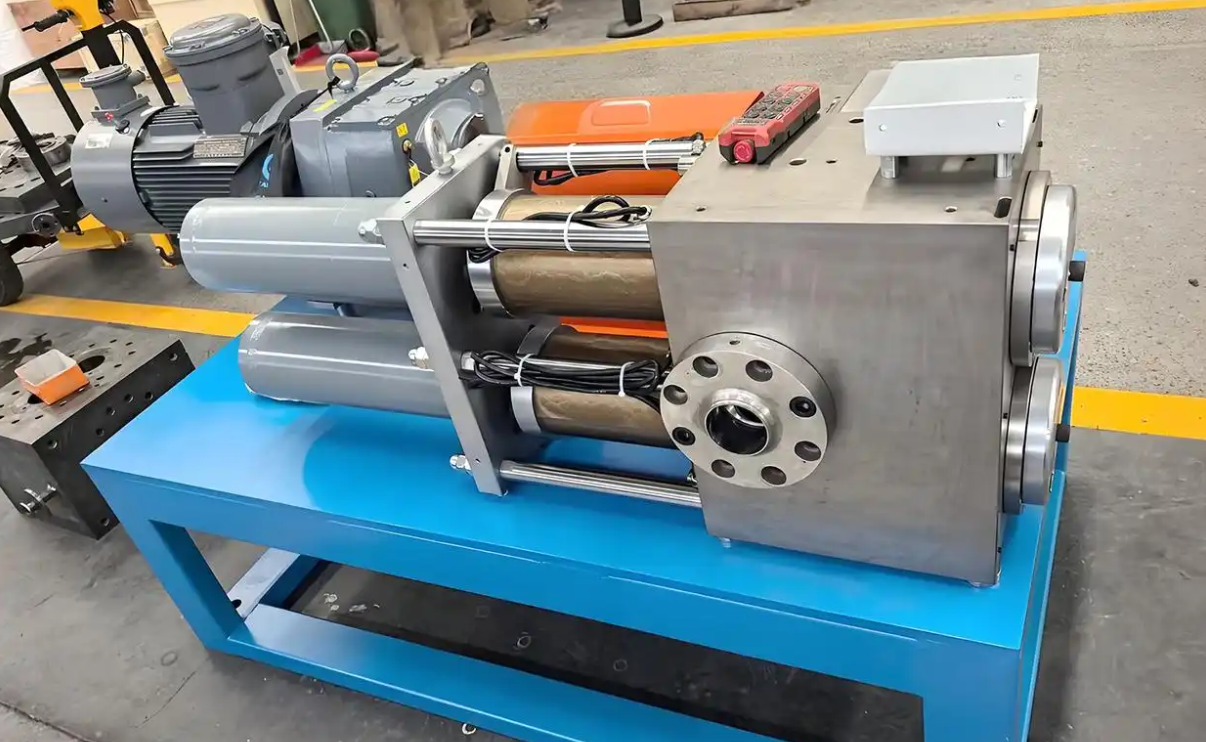
Core Selection Principles
For production primarily involving standard materials and basic processes with limited budgets, plate-type screen changers offer a cost-effective and practical solution. When production involves high-end materials, complex processes, or stringent demands for equipment continuity and stability, column-type screen changers better align with these requirements. They trade higher equipment costs for enhanced production efficiency and guaranteed product quality.
Email: sale@meltpump.com
WhatsApp: +86 158 3833 1071