continuous polymer flow screen changer
It is a critical melt filtration device in polymer extrusion, compounding, and recycling processes, designed to replace clogged filter screens without stopping polymer melt flow or interrupting production, thus maintaining stable pressure, throughput, and product quality, while eliminating downtime scrap and reducing operational costs.
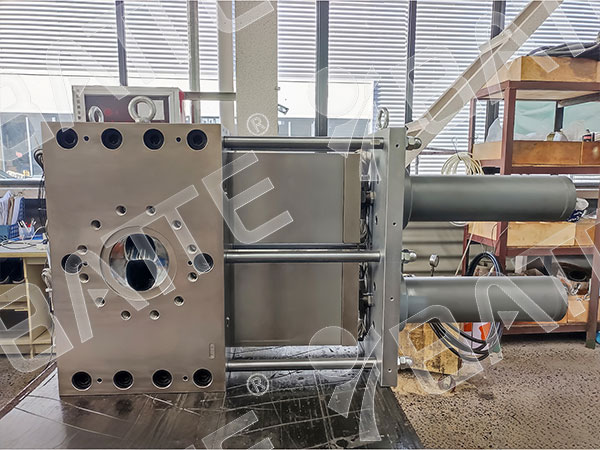
Key Performance Parameters & Selection Criteria
Operating conditions: Melt temperature (typically up to 300–350°C), max system pressure (300–350 bar), differential pressure tolerance;
Throughput & filtration precision: Screen mesh size (20–2000 mesh), filter area, compatibility with MFI (melt flow index) of materials;
Material compatibility: Heat-sensitive (PET, PVC) vs. high-viscosity resins, corrosion resistance for engineering plastics;
Automation level: Differential pressure auto-trigger, remote monitoring, data logging;
Maintenance & service life: Seal design, ease of screen replacement, venting efficiency.
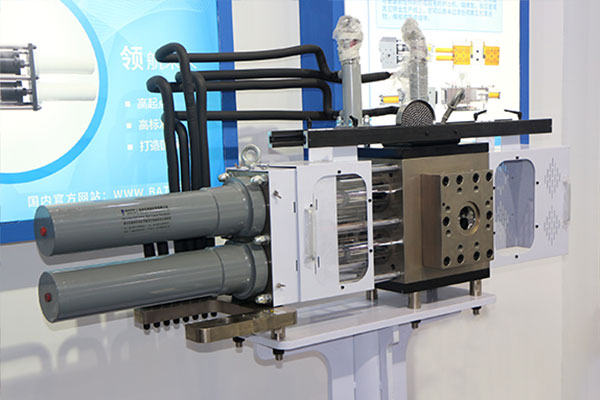
Applications
Plastic extrusion: Film, sheet, pipe, profile, fiber spinning, ensuring uniform thickness and no black spots/impurities;
Polymer compounding: Adding fillers (glass fiber, talc), masterbatch, preventing agglomerates from entering the die;
Post-consumer recycling (PCR): Filtering out paper, metals, rubber, and other contaminants from recycled pellets;
Blown film & cast film: Critical for optical clarity and mechanical strength;
Hot-melt adhesive & polymer melt spinning: Ultra-stable pressure to avoid fiber breakage or uneven coating.
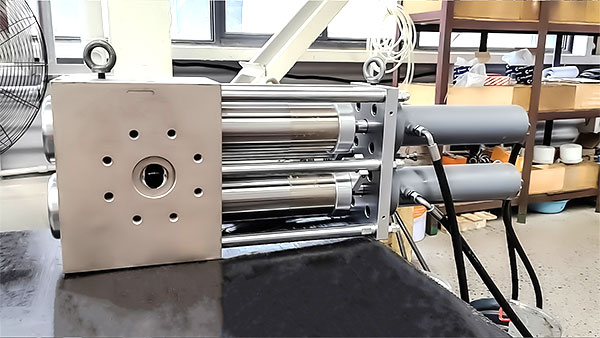
Operational Benefits
Zero downtime for screen changes: Increased daily yield, reduced scrap from startup/shutdown;
Stable melt pressure & temperature: No pressure surges leading to dimensional defects;
Lower labor & maintenance costs: Automated operation, sealless designs reduce leak risks and replacement frequency;
Shorter residence time: Better for heat-sensitive polymers, less material degradation.
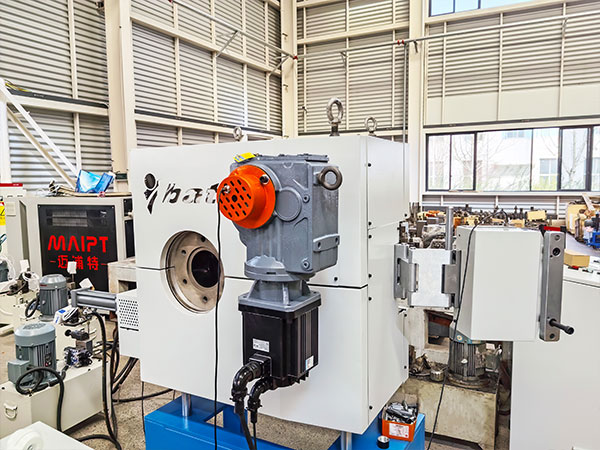
Installation & Operational Tips
Install between the extruder melt pump and die; ensure precise alignment to avoid flow dead zones;
Calibrate pressure sensors regularly and set a reasonable differential pressure alarm threshold;
Use proper venting procedures to avoid air bubbles in the melt;
Select screen packs (single/multi-layer, with breaker plates) according to impurity content and filtration requirements.
Email: sale@meltpump.com
WhatsApp: +86 158 3833 1071