Manual Screen Changer for Plastic Pipe Factories
A manual screen changer is a core auxiliary filtration device specially designed for plastic pipe extrusion production lines. Installed between the extruder and die head, it plays a vital role in purifying molten plastic, stabilizing extrusion processes, and improving finished pipe quality, making it a staple device in small and medium-sized plastic pipe factories worldwide.
In plastic pipe production, raw materials often contain impurities such as unmelted polymer particles, carbonized gels, and recycled material residues. Without effective filtration, these contaminants will cause surface scratches, bubbles, and uneven wall thickness on PVC, PE, and PPR pipes, leading to product defects and shortened service life. The manual screen changer adopts a precision stainless steel screen pack to filter molten plastic thoroughly, removing all harmful impurities and ensuring uniform melt fluidity for smooth pipe forming.
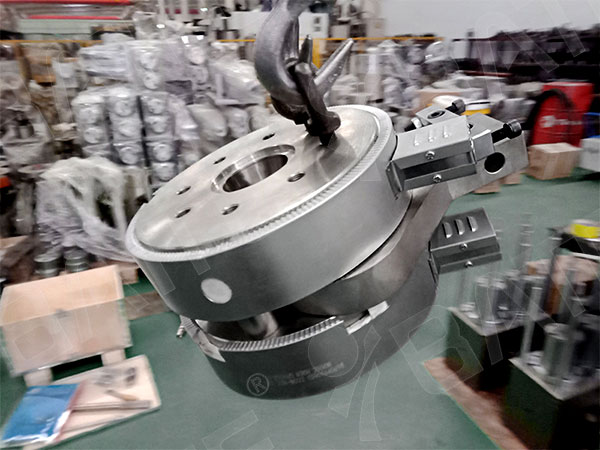
Featuring a simple manual push-pull switching structure, this equipment enables fast screen replacement without shutting down the extruder. Different from complex hydraulic and automatic models, it requires no complicated electrical control systems, reducing equipment failure rates and daily maintenance costs significantly. Its compact structure and easy operation allow workers to complete screen replacement in minutes, minimizing production downtime and improving overall line efficiency.
Cost performance is the biggest advantage of manual screen changers for plastic pipe factories. It is affordable for small-batch and multi-variety pipe production, perfectly matching the flexible production demands of most pipe manufacturers. By stabilizing extrusion pressure and protecting precision die heads from impurity wear, it effectively reduces production loss and equipment maintenance expenses.
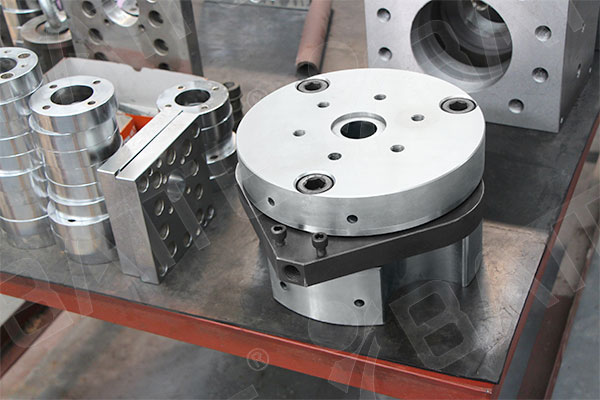
In conclusion, the manual screen changer is a practical, economical, and reliable solution for plastic pipe extrusion. It optimizes production quality, cuts operational costs, and supports stable long-term production, becoming an indispensable piece of equipment for modern plastic pipe processing plants.