A Comprehensive Analysis of Manual Screen Changers
Manual screen changers are essential discontinuous filtration devices widely used in plastic extrusion, polymer processing, and melt recycling lines. Positioned between the extruder barrel and die head, they remove contaminants such as carbonized polymer, metal particles, gels, and foreign debris to ensure melt purity and final product quality.
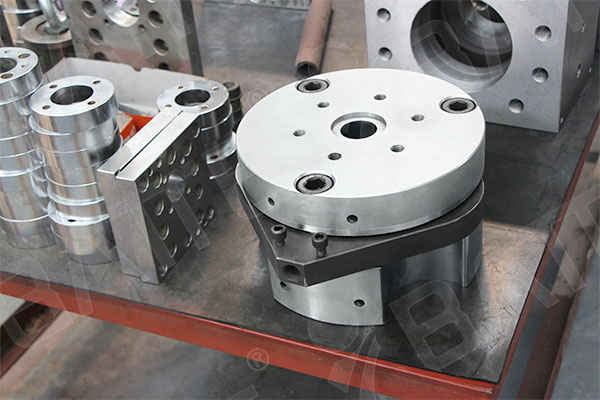
Structurally, manual screen changers adopt a compact slide-plate or lever-operated design. Operators replace screen packs by hand during shutdown: depressurize the system, remove clogged screens, install new stainless-steel mesh packs, then reseal and restart production. Common types include slide-plate and lever-style models, favored for simple construction and easy maintenance.
Key advantages include low upfront cost, minimal energy consumption, and straightforward operation without hydraulic or electric systems. They suit small-to-medium extruders (usually under 90mm screw diameter) and low-to-medium output scenarios with infrequent screen changes. Typical applications cover blown film, cast film, sheet extrusion, pipe, profile, and compounding lines.
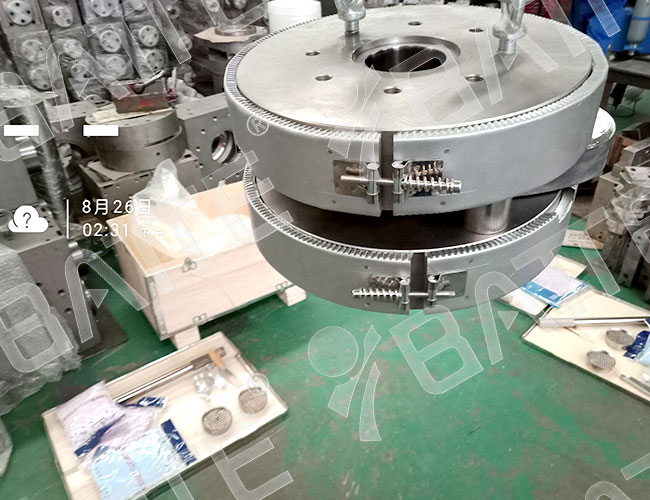
Limitations include necessary shutdown for screen replacement, leading to short downtime and minor material waste. Changeover typically takes 5–30 minutes based on operator experience. Despite this, their cost-effectiveness and reliability make them a preferred choice for small-scale manufacturers, budget-conscious workshops, and non-continuous production setups.
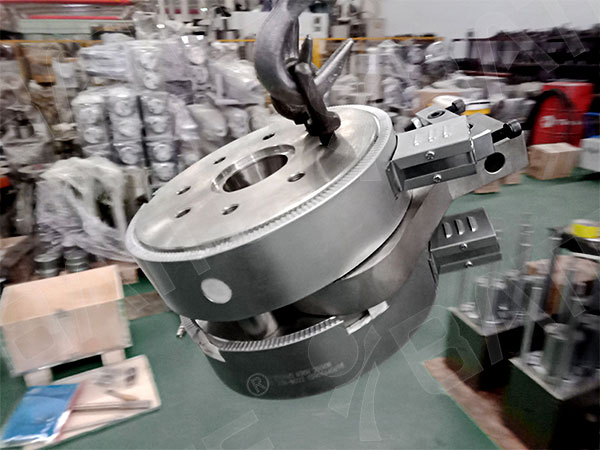
In summary, manual screen changers balance simplicity, affordability, and practical filtration performance. For extrusion lines prioritizing cost control and ease of use over uninterrupted production, they remain a widely applied and economical solution in polymer processing.
Email: sale@meltpump.com
WhatsApp: +86 158 3833 1071