twin screw extruder screen changer polystyrene
Polystyrene (PS) extrusion with a twin screw extruder demands stable melt quality, consistent pressure control and reliable impurity removal — and a properly matched screen changer is the critical melt filtration unit between the extruder barrel and die head for PS compounding, recycling, XPS foam, PS masterbatch and sheet production.
Co-rotating twin screw extruders are widely used for polystyrene modification, mineral filling, flame retardant formulation, recycled PS re-pelletizing and EPS/GPS processing. PS is an amorphous polymer sensitive to over-shear, thermal degradation and carbon buildup. Even tiny black specks, gel particles, filler agglomerates or foreign contaminants will ruin PS sheet surface, foam cell uniformity and masterbatch color consistency. That is why a dedicated screen changer for twin screw polystyrene lines is not optional but essential.
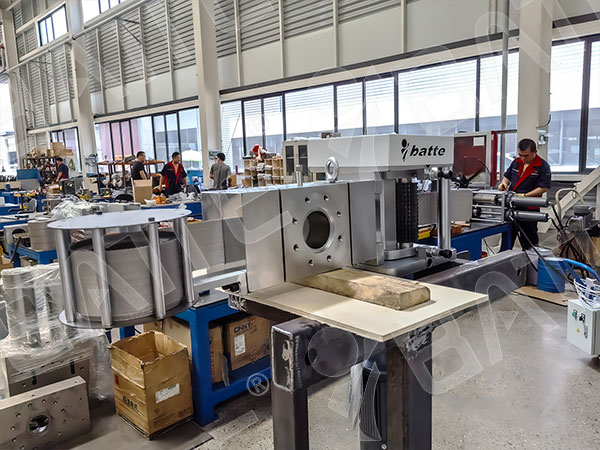
How a screen changer works for twin screw polystyrene extrusion
Installed directly downstream of the twin screw barrel, the screen changer filters molten PS through multi-layer wire mesh packs. It traps dirt, carbonized PS, unmelted resin lumps and agglomerated additives while maintaining steady melt pressure and uniform flow toward the die.
For continuous PS production, hydraulic dual-piston or twin-column continuous screen changers are the preferred option. They switch filter stations without stopping the twin screw extruder. One filter cavity remains online while the second station can be cleaned or replaced, eliminating long downtime, scrap loss and pressure spikes that cause PS melt surging or bubble defects in XPS foam boards.
Recommended screen changer types for twin screw polystyrene lines
Continuous hydraulic dual piston screen changer: Best for high-volume PS recycling, XPS extrusion and color masterbatch, non-stop screen swap, low pressure fluctuation.
Twin-column screen changer: Large filtration area, good for highly filled PS compounds, robust sealing against PS melt leakage at working temperature around 180–240°C.
Manual screen changer: Budget choice for small batch PS compounding; requires shutdown for screen change, suited for low-output lab or trial lines.
Mesh selection tip for PS: Use layered mesh packs, typically 60–200 mesh for general PS pelletizing; 200–300 mesh for optical PS sheet and clear food-grade PS products. Avoid excessively fine screens that raise backpressure and overheat the PS melt.
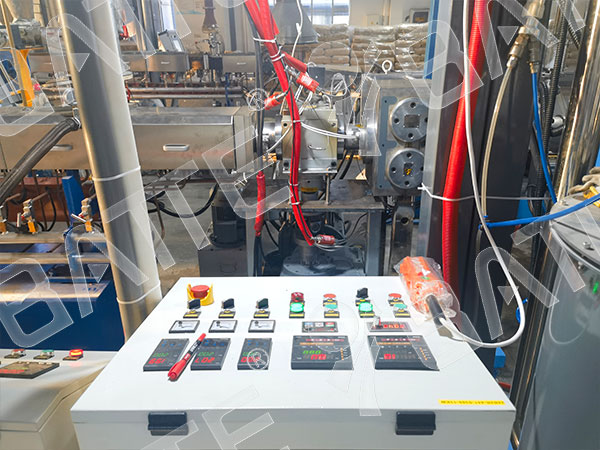
Benefits of pairing twin screw extruder + screen changer for polystyrene
Less black spots, gels and surface defects on PS sheets, foam and pellets
Stable melt pressure, fewer thickness and density variations
Non-stop screen change cuts production downtime and waste
Protects downstream die, gear pump and screw components from hard contaminants
Supports higher recycling ratios for post-consumer PS without quality drop
Compatible with co-rotating twin screw extruders for PS modification, compounding and devolatilization
Maintenance tips for PS service
Polystyrene residue carbonizes faster than polyolefins. Schedule regular seal inspection and cleaning cycles. When switching PS colors or formulations, purge the screen changer thoroughly to prevent cross-contamination. Select alloy flow channels and high-temperature self-lubricating seals to resist PS melt sticking and leakage.
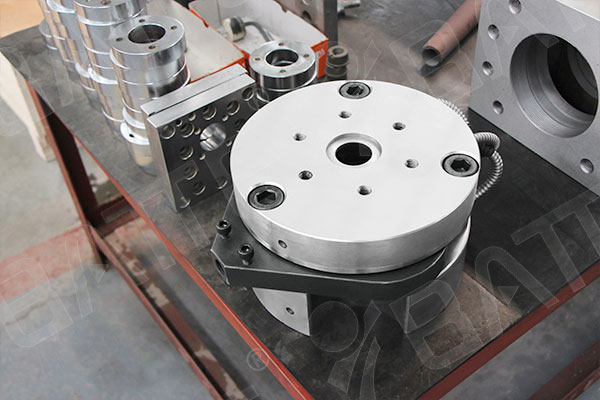
Whether you run PS masterbatch, recycled PS pelletizing, XPS insulation board or clear PS sheet on a twin screw extruder, matching the right screen changer design, filtration area and mesh rating directly raises yield and reduces reject rates. Continuous hydraulic screen changers remain the most popular upgrade for polystyrene twin screw extrusion plants targeting 24/7 stable operation.
Email: sale@meltpump.com
WhatsApp: +86 158 3833 1071