Why You Should Start With Filter Targets When Selecting a Screen Changer?
Many extrusion buyers start screen changer selection from machine type, output capacity or price. However, the most reliable engineering practice is to define your filter targets first. What contaminants and polymer melt you need to filter will decide whether a slide-plate, dual-column, backflush or belt-type screen changer can deliver stable, low-cost long-run performance.
A screen changer’s core duty is capturing specific impurities from polymer melt before the melt reaches the die, melt pump or downstream forming section. Filter targets cover two core dimensions: the polymer medium and the contaminant profile. Virgin PE, PP, PET masterbatch, filled compounds, PVC and recycled PCR plastics behave completely differently under melt temperature and pressure. Contaminants may be carbon specks, gels, paper, aluminium scraps, metal fragments, glass fibre, mineral fillers or cross-linked lumps. Matching the equipment to these targets prevents premature screen rupture, frequent pressure surges, excessive downtime and die damage.
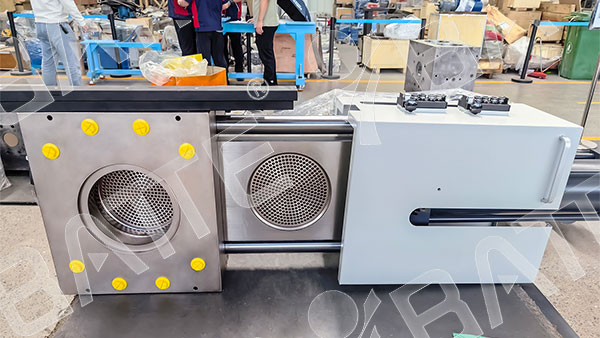
First, contaminant characteristics set the required filtration grade and mechanical strength. Low-contamination virgin resin usually works well with standard mesh packs and intermittent slide-plate screen changers. Recycled streams with high, variable impurity loads require continuous or dual-column non-stop screen changers, because screens load rapidly and frequent stops kill OEE. Abrasive fillers such as glass fibre or talc demand wear-resistant support plates and reinforced screen packs; hard particles will quickly erode ordinary screen structures and sealing surfaces. Fine filtration for film, fibre and thin sheet needs controlled micron rating, which raises differential pressure and requires a changer designed for stable pressure holding.
Second, polymer melt properties define compatibility rules. Viscosity, processing temperature and chemical corrosion risk limit the alloy of screen packs, seals and flow channels. High-temperature engineering plastics call for heat-resistant materials. PVC and halogenated polymers release corrosive decomposition by-products, so standard 304 stainless steel is not safe. Even the same screen changer model can fail if the seal and flow geometry are not matched to melt viscosity: high-viscosity rubber or thick melt will bring higher shear and pressure load, while low-viscosity melt may leak through poorly fitted sealing zones.
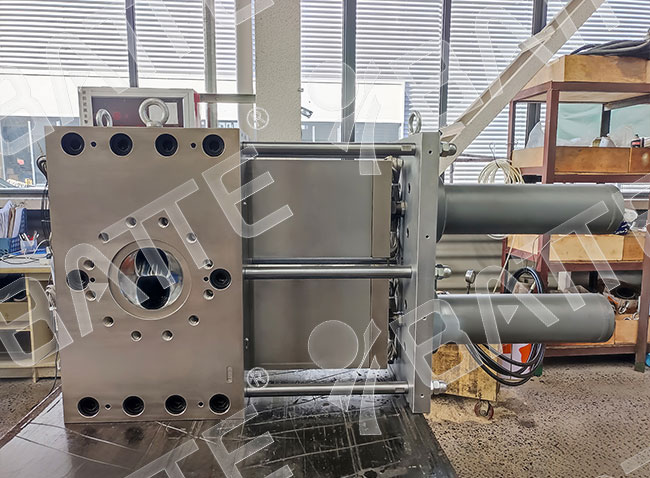
Third, filter targets determine your screen change strategy and total cost of ownership. If you only specify output first, you may buy a high-capacity changer that cannot handle your impurity type. It will either clog within minutes or fail to capture defects, causing pinholes, black spots and rejected rolls. When you define filter targets upfront, you can choose between manual stop-change, hydraulic non-stop, backflush self-cleaning and automatic mesh belt filtration. You also get predictable screen consumption, pressure alarm thresholds and maintenance cycles.
Output, line layout and budget remain important, yet they are secondary parameters. A screen changer is not a universal adapter for all extrusion lines. Its filtration capacity, pressure stability, sealing design and screen renewal mechanism are built around what you filter.
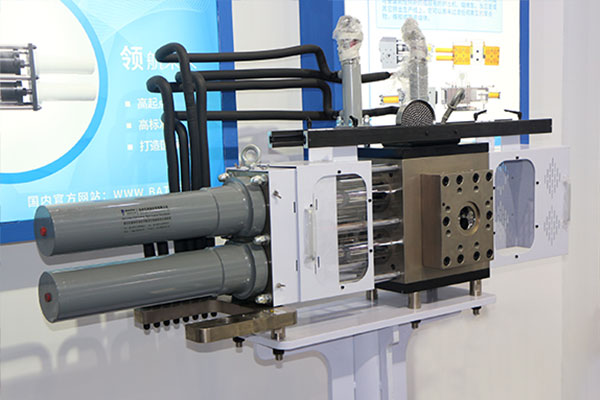
For film blowing, sheet extrusion, pelletizing, BOPP, EVA and recycled plastic lines, always document your filter targets first: contaminant type, particle size limit, contamination loading rate, polymer type, melt temperature and viscosity. Then select the screen changer structure, mesh combination and control configuration. This selection sequence minimises trial-and-error, protects melt pumps and dies, stabilises product quality and cuts unplanned production stops.
Email: sale@meltpump.com
WhatsApp: +86 158 3833 1071