Plastic & Rubber Machinery Parts-Extrusion screen changer
A screen changer is an industrial device used to filter out foreign particles and impurities from molten materials, and is widely used in the melt processing of plastics, rubber, ceramics, and other materials. Below are its main classifications and functional features:
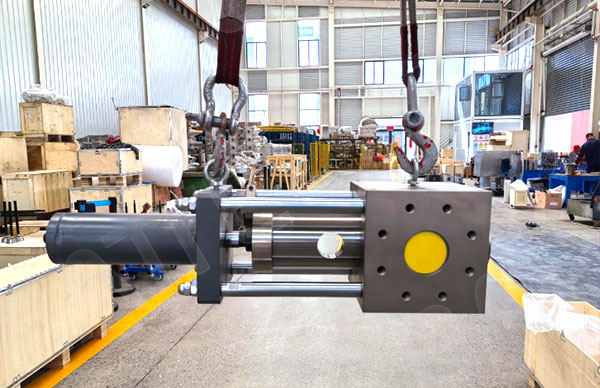
I. Hydraulic Screen Changer
Utilizes hydraulic drive to move the screen plate or cylinder, offering fast screen-changing speeds (1–3 seconds) and strong sealing performance. Suitable for high-viscosity materials (e.g., PE, PP, PVC).
Operating pressure can reach 40 MPa, with a temperature resistance of 300°C. Suitable for production lines such as pelletizing and film blowing.
Mesh Belt-Type Fully Automatic Screen Changer
Enables fully automatic operation without manual intervention, suitable for long-process products such as film and optical fiber.
Pressure remains stable during screen changes, ensuring consistent material flow, making it suitable for pressure-sensitive processes.
Manual Screen Changer
The filter screen is changed manually. While this method is low-cost, it requires stopping the machine for replacement and is suitable for small-scale production scenarios.
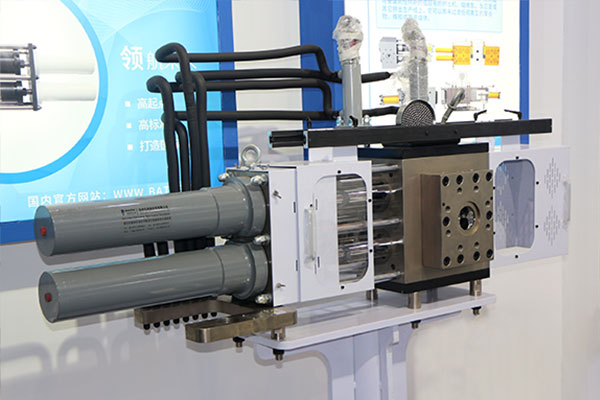
II. Core Functions of Screen Changers
Impurity Filtration: Removes decomposition products and foreign particles from the melt to ensure continuous production.
Quick Changeover: Hydraulic quick-change screen changers can replace screens in 1–3 seconds, reducing raw material waste.
High-Temperature and High-Pressure Compatibility: Some models withstand pressures up to 30 MPa and temperatures up to 300°C, making them suitable for extreme operating conditions.
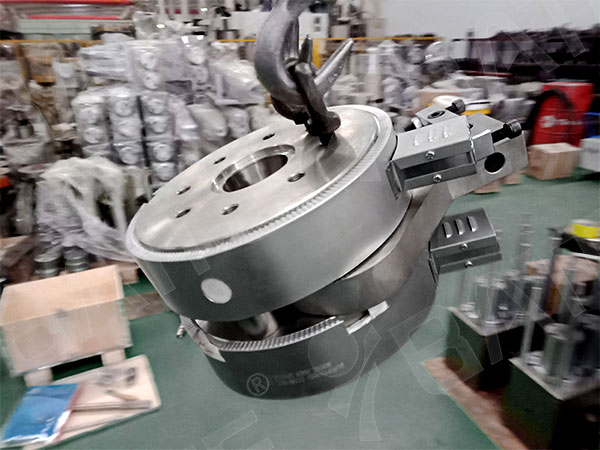
III. Application Scenarios for Screen Changers
Plastics Processing: Pelletizing, film blowing, pipe forming, etc.
Recycled Material Processing: Screen changers are required to improve quality when filtering high-proportion recycled materials.
Industrial Equipment: Compatible with extruders, melt pumps, reactors, etc.
Email: sale@meltpump.com
WhatsApp: +86 158 3833 1071