Working Principle and Typical Applications of Discharge Valves (Start-up Valves)
Start-up valves, also known as discharge valves, are critical components in extrusion lines, polymerization lines, and underwater pelletizing lines; in underwater pelletizing lines, they are standard core equipment. Their primary functions include precisely controlling the flow of melt, rapidly discharging material and impurities, protecting upstream equipment, and ensuring the continuous, stable, and efficient operation of the entire production line.
I. Operating Principle and Structural Features
The design of the start-up valve is similar to that of a single-piston screen changer, employing a dual-position piston-type flow channel structure:
Working Position: A straight-through flow channel ensures smooth material conveyance and guarantees normal downstream production;
Discharge Station: A 90° lateral discharge channel that rapidly expels the melt.
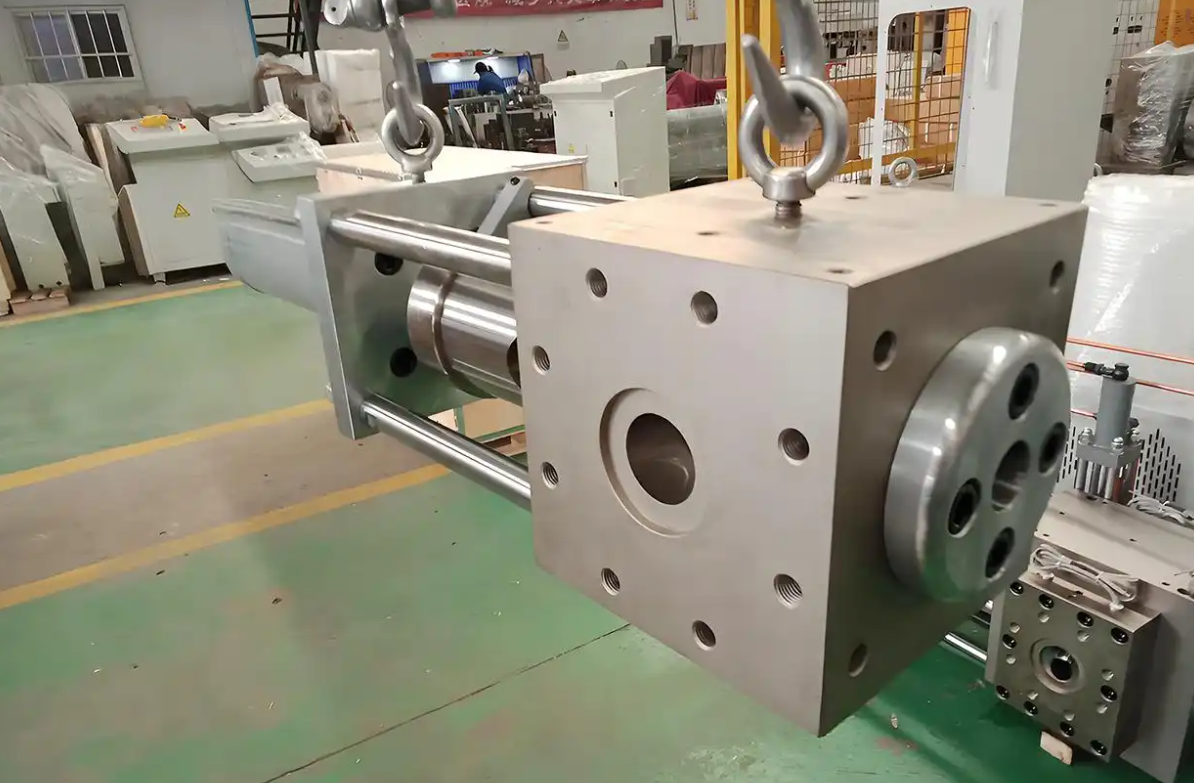
The equipment uses a hydraulic power unit to drive the plunger in a reciprocating motion, enabling rapid switching between the working station and the discharge station. The operation is reliable and the switching is swift, meeting the demands of frequent start-stops and emergency discharge.
II. Typical Application Scenarios
Extruder Startup Purge
Installed at the extruder barrel outlet, the system is switched to the purge position before startup to remove residual material, degraded material, and impurities from the barrel. This ensures that the material entering the downstream system is clean. The system is then switched to the operating position to resume normal continuous production.
Interlocking Protection with Screen Changers and Melt Pumps
When a screen changer becomes clogged or pressure upstream of the melt pump abnormally rises, the start-up valve can promptly open to discharge material, relieving pressure to protect upstream equipment such as the extruder and gearbox from damage caused by overpressure. This application is particularly common in polymer production lines.
Emergency Response for Underwater Pelletizing Lines
The system implements electrical interlock control with the underwater pelletizing system. In the event of die blockage, material agglomeration, or water circuit abnormalities, the system automatically switches to the discharge position to enable emergency handling without stopping production. This ensures that upstream equipment continues to operate, thereby minimizing downtime losses.
III. Product Configuration and Customization Features
Standard Configuration
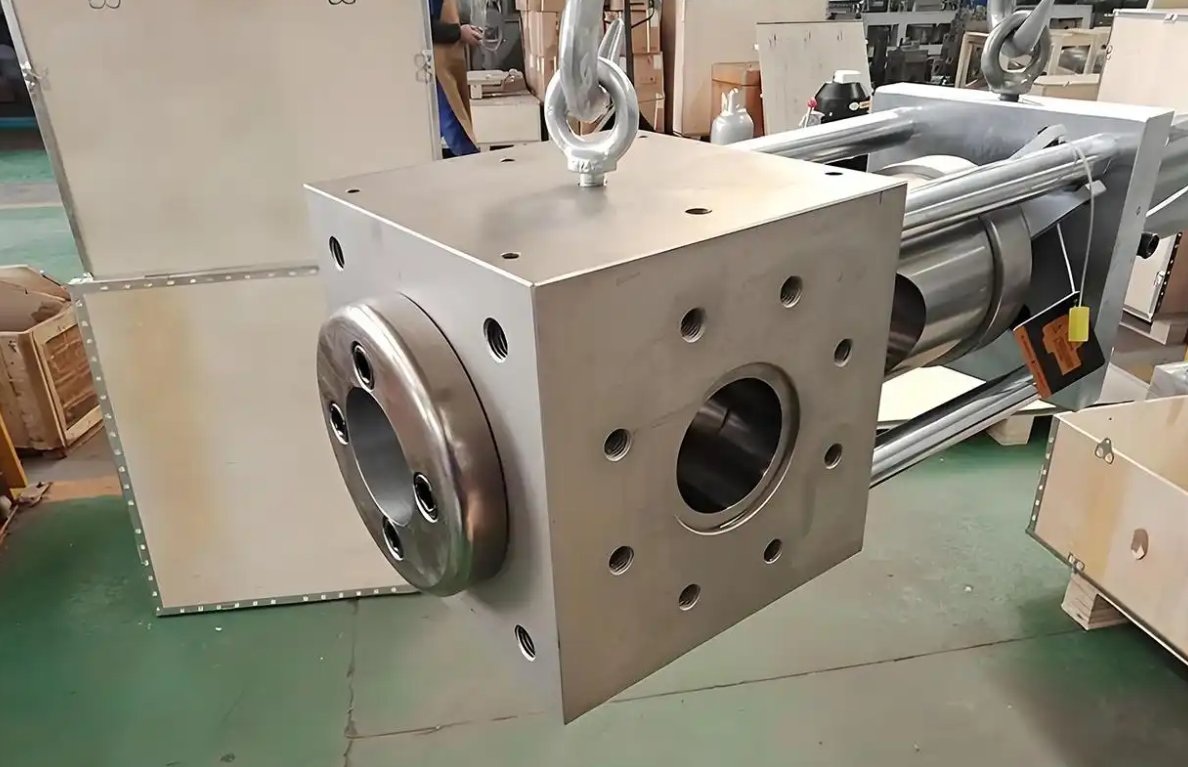
The complete unit consists of a start-up valve body, a stored-energy hydraulic power unit, and a standalone electrical control cabinet. It features high integration and easy installation, and can be directly integrated into production line automation systems.
Flexible Heating Methods
Both electric heating and thermal fluid heating are supported. Users can flexibly select the appropriate method based on material processing temperatures and on-site energy conditions to ensure uniform and stable melt temperatures.
Corrosion-Resistant Customization Solutions
For special materials such as PVC, biodegradable materials, and those containing corrosive additives, the valve body can be manufactured from corrosion-resistant alloys or treated with surface corrosion protection to enhance service life and reliability.
Customizable Nominal Diameters
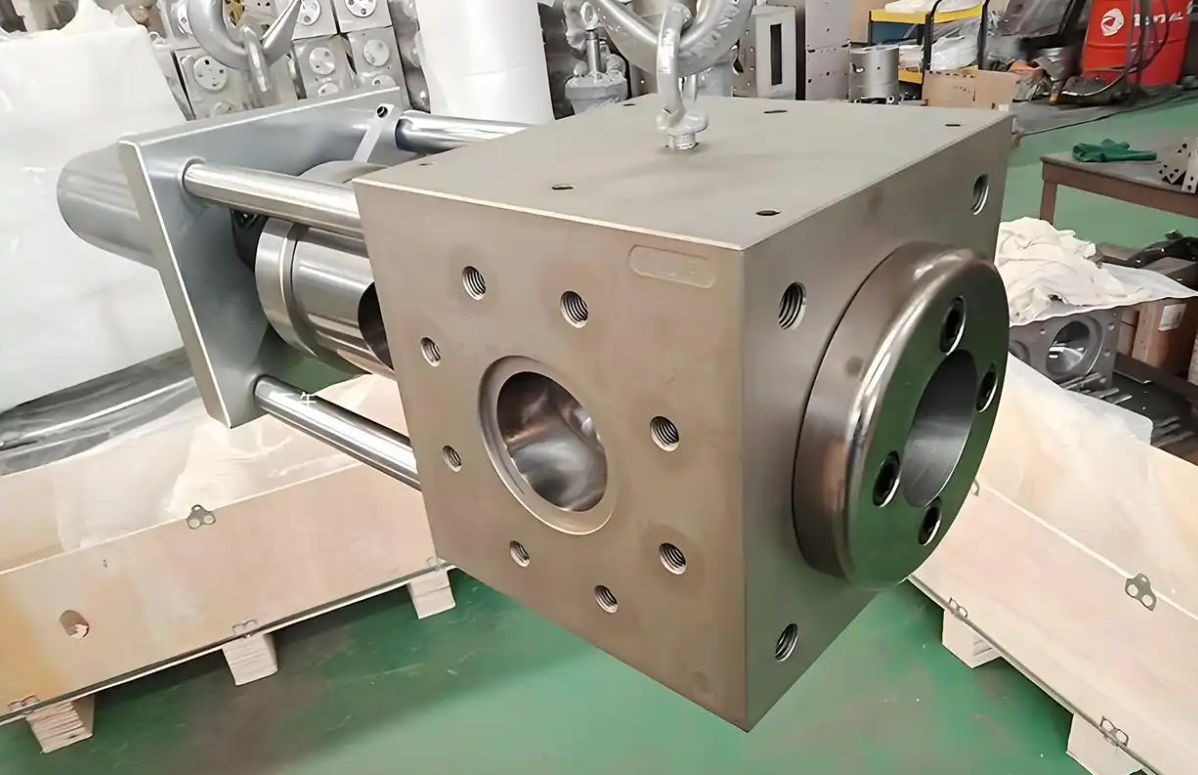
Nominal diameters range from φ20 to φ300. Designs can be tailored and customized to match different production capacities, pipe diameters, and extrusion line specifications, accommodating all scenarios from small-scale pilot lines to large-scale industrial production lines.
Email: sale@meltpump.com
WhatsApp: +86 158 3833 1071